


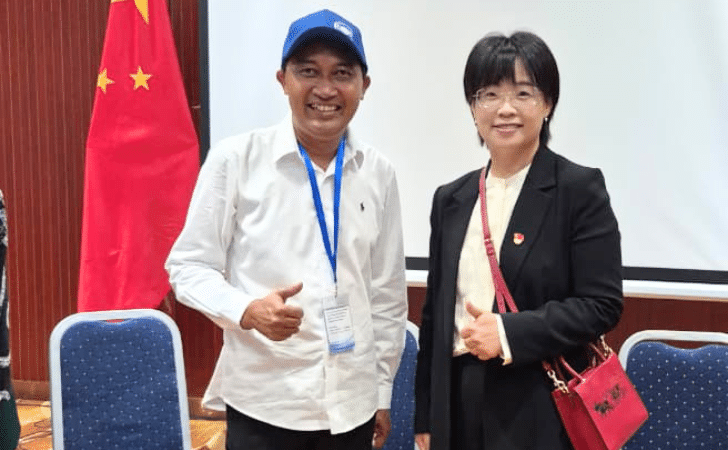
KLATEN – METROPAGINEWS.COM || APDESI Chairman Junaidi shares the results of 21 days of learning in China. See how thematic village models and technology can be applied for rural advancement. Friday, August 7, 2026
As the Head of Ponggok Village, which has been recognized as an advanced village, and also serving as Chairman of the National Association of Village Governments of Indonesia (APDESI) for the 2026–2031 term, Junaidi returned home with new insights after participating in the Indonesian Village Cadre Training Program in the People’s Republic of China for 21 days.
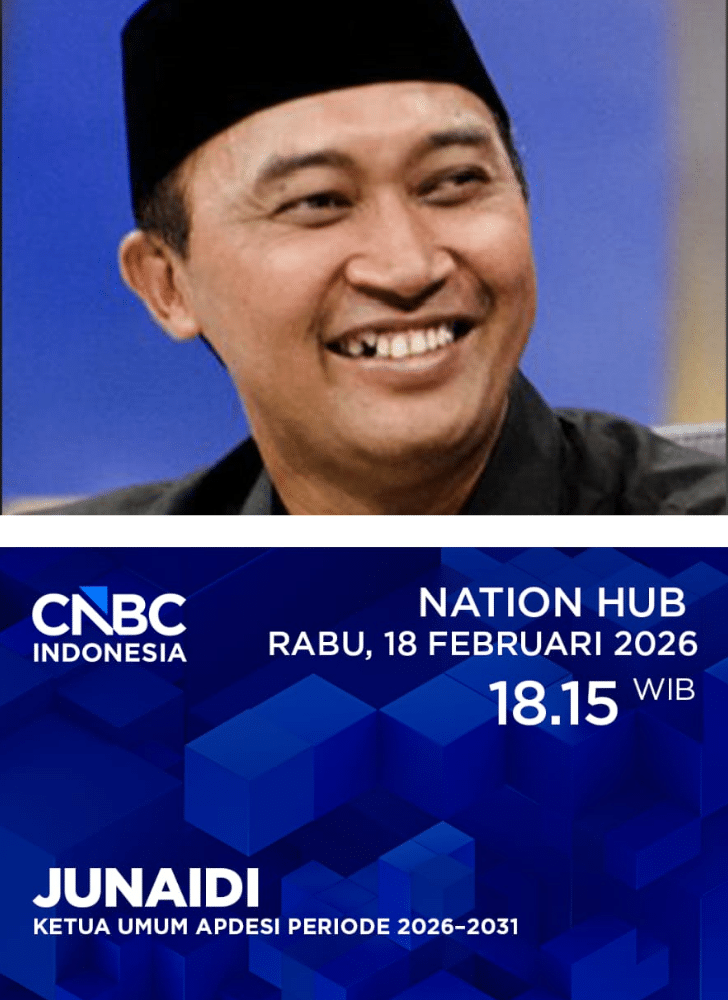
This experience in the Bamboo Curtain country further broadened Junaedi’s perspective. He was amazed to see how rural development in China is so neatly structured, orderly, and sustainable, while still preserving the local culture that has been passed down.
“We have already made progress in Ponggok, but after seeing it firsthand, there are many additional points that we can apply. It turns out that rural advancement can be that orderly and that cultural,” Junaedi said.
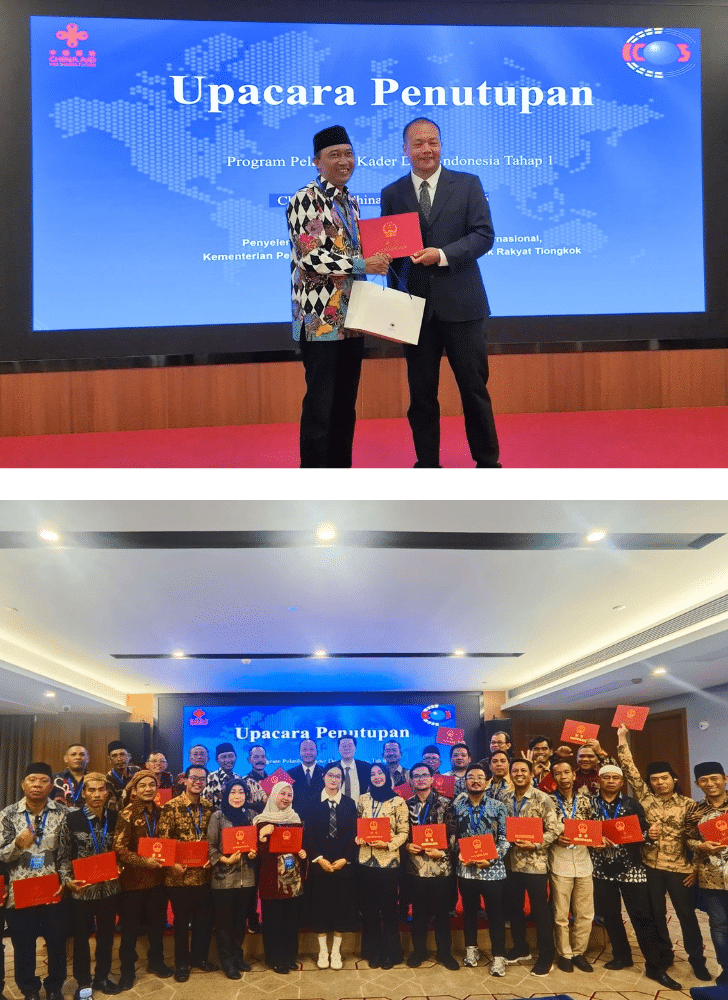
The activity was part of an official invitation from the Ministry of Commerce of the People’s Republic of China. It was organized by the International Cooperation Service Center and the Ministry of Agriculture and Rural Affairs of the People’s Republic of China, and coordinated by the Indonesian Ministry of Villages and Development of Disadvantaged Regions together with the Embassy of China in Jakarta. All activities were fully funded by the Government of the People’s Republic of China.
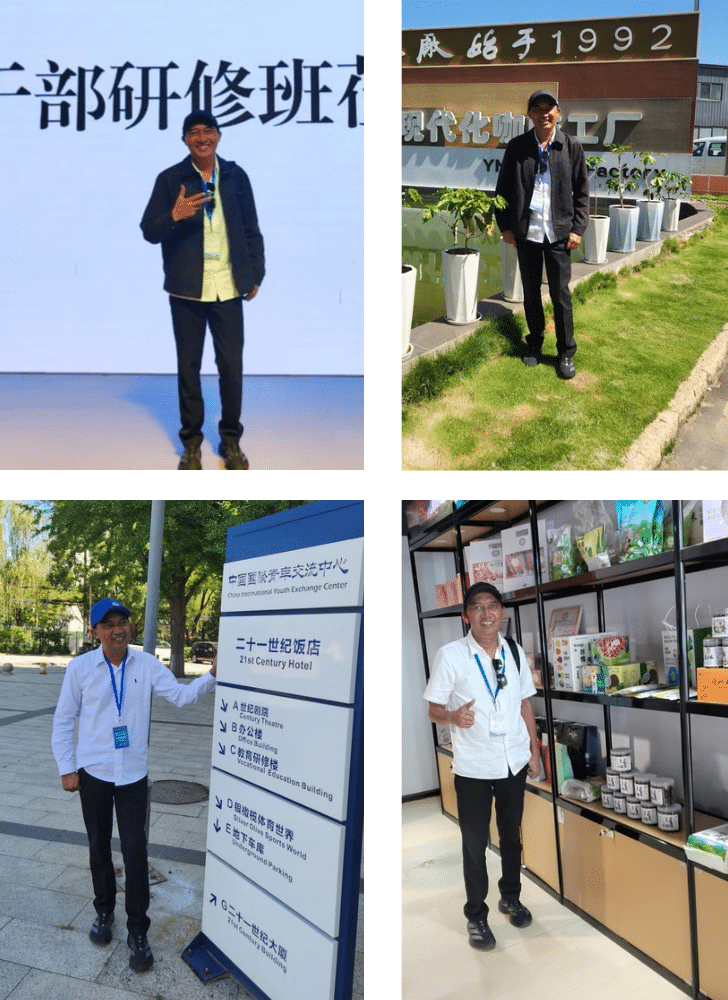
During the 21-day learning period, Junaidi witnessed firsthand how China successfully integrated digital technology innovation and modern management to drive rural progress. The knowledge applied in building rural advancement was truly well-structured and addressed the core issues. Despite being supported by advanced technology, it did not create losses or imbalance between the roles of machines and humans.
“Almost all work there is assisted by automation and robotic systems. That is what made me even more curious and want to study it further,” Junaedi said.
He also noted how technological advancement goes hand in hand with community economic growth. This is evident in the rapid and orderly growth of MSMEs, in line with infrastructure development and the mindset of the people.
This valuable experience has challenged Junaidi to bring and implement the knowledge and insights gained back to Indonesia. The learning received is not just knowledge, but real proof that rural advancement can be achieved through mature planning, sustainable innovation, and a balance between technology and humanity.
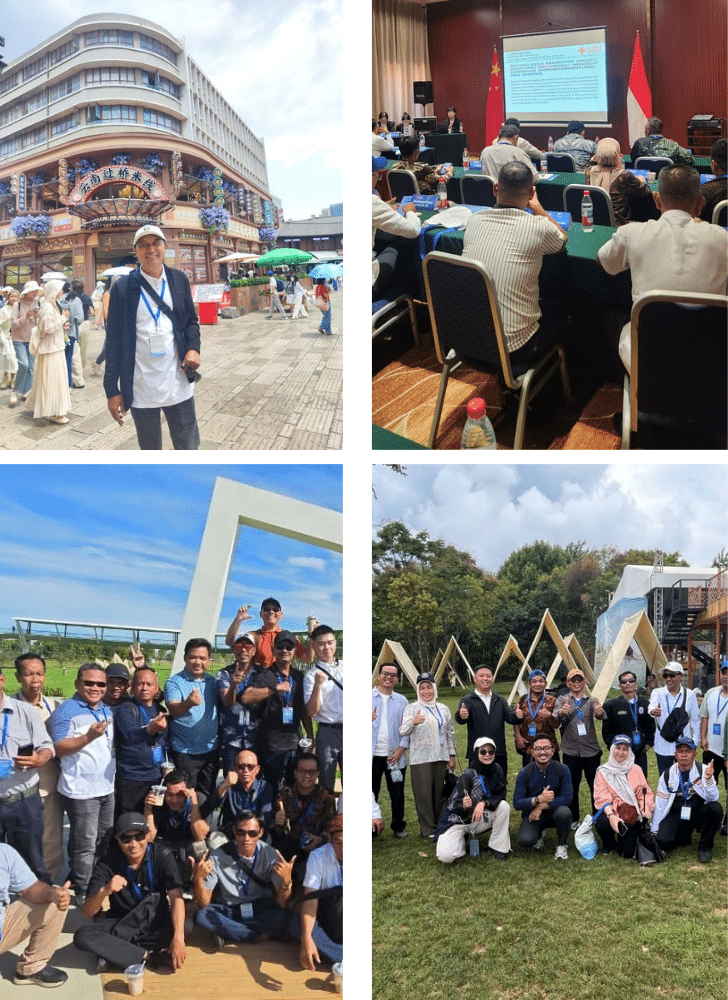
Junaidi explained that in China, harvest points are determined by the system. Tractors from the village office and their operators are already on standby. Officers only need to set the GPS coordinates, and the tractors will go to work. The harvest then goes into drying and processing rooms at the village office, before being packaged. The younger generation is also involved in selling products online through e-commerce.
“Their government is truly well-organized,” Junaidi said.
The concept of thematic villages is also implemented there. There is a village where all residents grow roses, and the results are exported and processed into various products such as perfume. There is also a village that grows lotus in swamps and manages it all the way to e-commerce, export, and financing. The banking system has also been tailored, such as the Farmers’ Bank, Contractors’ Bank, and Traders’ Bank.
“They have been in the process for about 40 years. Indonesia has a target for 2045 in that direction,” he said.
The Chinese Ministry provided operational funds for the trip amounting to IDR 200 million per person for expenses there. China is willing to provide subsidies to others as a marketing technique.
The program included 20 candidates from various regions and professions in Indonesia. There were village representatives, professors, students, and regents. Junaidi attended as a representative of the village head organization, and as the head of a pilot village in Klaten Regency. The Head of Ngawonggo Village, a pilot village for metal casting in Klaten Regency, was also present.
This learning visit is expected to be the first step toward synergy between Indonesia and China in rural development. With a spirit of mutual cooperation and human-centered technology adoption, Junaidi is optimistic that good models from China can be adapted to accelerate the achievement of the Golden Indonesia 2045 vision, starting from the villages.
( Desi )


Komentar Klik di Sini